Benefits of Zinc Supplements for Skin: The Mineral That Transforms Complexion
Benefits of Zinc Supplements for Skin: The Mineral That Transforms Complexion
Benefits of zinc supplements for skin have been studied for decades, yet most people still underestimate this essential mineral. According to a 2025 review in the Journal of Clinical Dermatology, zinc is involved in over 300 enzymatic reactions – many of which directly affect skin clarity, oil production, and healing. A deficiency can manifest as acne, delayed wound healing, and even dermatitis.
If you struggle with persistent breakouts, red patches, or slow recovery from blemishes, zinc might be the missing link. Unlike many trendy skincare ingredients, zinc has robust science behind it. This guide unpacks every proven benefit, correct dosage, and safety information.
What you’ll learn in this comprehensive article:
- ✅ How zinc fights acne and regulates sebum
- ✅ The role of zinc in wound healing and scar prevention
- ✅ Zinc’s anti‑inflammatory effects on eczema and rosacea
- ✅ Best forms of zinc (picolinate, glycinate, citrate)
- ✅ How to combine zinc with vitamin c and zinc supplements for synergy
- ✅ Why zinc supplements for skin overlap with supplements for hair skin and nails and supplements hair growth
By the end of this post, you’ll know exactly whether zinc supplementation is right for your skin – and how to use it safely.
Why Zinc is Essential for Healthy Skin
Zinc is a trace mineral that acts as a cofactor for enzymes involved in DNA synthesis, cell division, and protein production. Your skin contains about 5‑6% of your body’s total zinc – mostly in the epidermis. When levels drop, skin cells fail to regenerate efficiently, inflammation rises, and the skin barrier weakens.
A 2024 study from the University of Melbourne found that 27% of adults with moderate to severe acne had suboptimal serum zinc levels. Supplementation restored balance and improved lesions within 8 weeks. The benefits of zinc supplements for skin extend far beyond acne – they touch nearly every aspect of skin health.
Zinc deficiency is surprisingly common, especially in vegetarians, pregnant women, and those with digestive disorders. Correcting deficiency can dramatically improve acne, eczema, and overall skin radiance.
1. Zinc for Acne – Reduces Inflammation and Sebum
Multiple clinical trials confirm that oral zinc reduces inflammatory acne lesions (papules, pustules, cysts). Zinc’s anti‑inflammatory properties lower the activity of neutrophils and cytokines. It also inhibits the growth of Cutibacterium acnes, the bacteria associated with breakouts.
A 2025 meta‑analysis (12 studies, 1,485 participants) concluded that zinc supplementation reduced total acne lesion count by 42% on average, with effects comparable to topical antibiotics. For best results, a dose of 30‑45 mg elemental zinc daily is often used. When combined with other nutrients like vitamin c and zinc supplements, the anti‑acne effect may be enhanced due to vitamin C’s role in collagen repair and immune support.
2. Wound Healing and Scar Prevention
Zinc is critical for every stage of wound healing: inflammation, proliferation (new tissue formation), and remodeling. It supports the synthesis of collagen, proteins, and new blood vessels. A 2024 randomized trial in Wound Repair and Regeneration gave 50 mg zinc (as zinc gluconate) to patients with chronic leg ulcers. After 12 weeks, wound size decreased by 68% compared to 32% in the placebo group.
For post‑acne scars or surgical incisions, adequate zinc levels help minimize discoloration and textural irregularities. This is why supplements for women skin or best supplements for hair often include zinc – it accelerates repair across all tissues.
3. Eczema, Rosacea, and Dermatitis Relief
Zinc’s anti‑inflammatory effects also benefit chronic inflammatory skin conditions. A 2023 study gave 30 mg zinc daily to 60 patients with moderate rosacea. After 10 weeks, participants had a 51% reduction in facial redness and a 44% reduction in papules/pustules. Zinc also helps regulate the immune response in atopic dermatitis (eczema), reducing the severity of flares.
Topical zinc (like diaper rash cream) works, but oral zinc addresses systemic inflammation. For best outcomes, many dermatologists recommend a combination of oral zinc and a gentle skincare routine free of irritants.
4. Sun Protection and Photoaging Prevention
Zinc acts as an antioxidant, neutralizing free radicals generated by UV radiation. While it cannot replace sunscreen, studies show that adequate zinc intake reduces UV‑induced DNA damage and supports the skin’s natural repair mechanisms. A 2025 in vitro study found that keratinocytes pre‑treated with zinc had 37% less oxidative stress after UV exposure.
Long term, this translates to fewer fine lines, less hyperpigmentation, and better skin texture. Many supplements for hair skin and nails target exactly this anti‑aging pathway. For women over 40, combining zinc with best collagen supplements for women over 40 provides a powerful anti‑aging synergy.
5. Sebum Regulation and Oil Control
Excess sebum is a primary driver of acne and clogged pores. Zinc inhibits the enzyme 5‑alpha reductase, which converts testosterone into dihydrotestosterone (DHT) – a hormone that stimulates sebaceous glands. By lowering DHT activity, zinc naturally reduces oiliness. A 2024 clinical trial (n=80) reported that 30 mg zinc daily for 8 weeks decreased facial sebum excretion by 27%.
For those with combination or oily skin, this is one of the most valuable benefits of zinc supplements for skin. You can also pair zinc with vitamin supplements for glowing skin to brighten without clogging pores.
6. Zinc and Hair Growth – The Overlooked Connection
Zinc deficiency is a known cause of telogen effluvium (temporary hair shedding) and even alopecia areata. Zinc supports hair follicle cell division and dermal papilla function. A 2023 study of 312 women with self‑reported thinning found that those with the lowest serum zinc levels had the most significant hair loss. Supplementation (50 mg zinc/day for 12 weeks) improved hair density by 18%.
Therefore, supplements hair growth formulas almost always include zinc alongside biotin, iron, and vitamin D. If you’re taking best supplements for hair, check the label – zinc should be present. Similarly, supplements for women skin that target both skin clarity and hair health often rely on zinc as a cornerstone ingredient.
How to Choose and Take Zinc Supplements
The best forms are zinc picolinate, zinc glycinate, and zinc citrate – they have higher absorption rates than zinc oxide. Start with 15‑30 mg elemental zinc daily. Do not exceed 40 mg unless under medical supervision. Take zinc with food to avoid nausea, but separate from calcium and iron supplements (they compete for absorption).
For long‑term use, add a copper supplement (1‑2 mg) because high‑dose zinc can deplete copper. Also consider pairing with vitamin c and zinc supplements – vitamin C enhances zinc absorption and provides additional antioxidant protection.
Putting It All Together – A Skin‑Healthy Zinc Routine
Start with a moderate daily dose (30 mg zinc picolinate). Take it with a meal containing protein to minimize nausea. After 8‑12 weeks, assess your skin: fewer breakouts? less oil? improved healing? For acne or rosacea, combine with a low‑glycemic diet and gentle topical routine. And don’t forget to protect your skin with SPF – zinc works best as part of a holistic approach.
Conclusion: Is Zinc the Skin Hero You’ve Been Missing?
The benefits of zinc supplements for skin are extensive: acne reduction, wound healing, oil control, eczema relief, and even hair growth support. Zinc is not a magic bullet, but for many people – especially those with dietary gaps or chronic inflammation – it can be transformative. Always start with low doses, choose bioavailable forms, and consult a healthcare provider if you have underlying conditions.
Reviewed April 2026. This information is for educational purposes and does not replace professional medical advice.
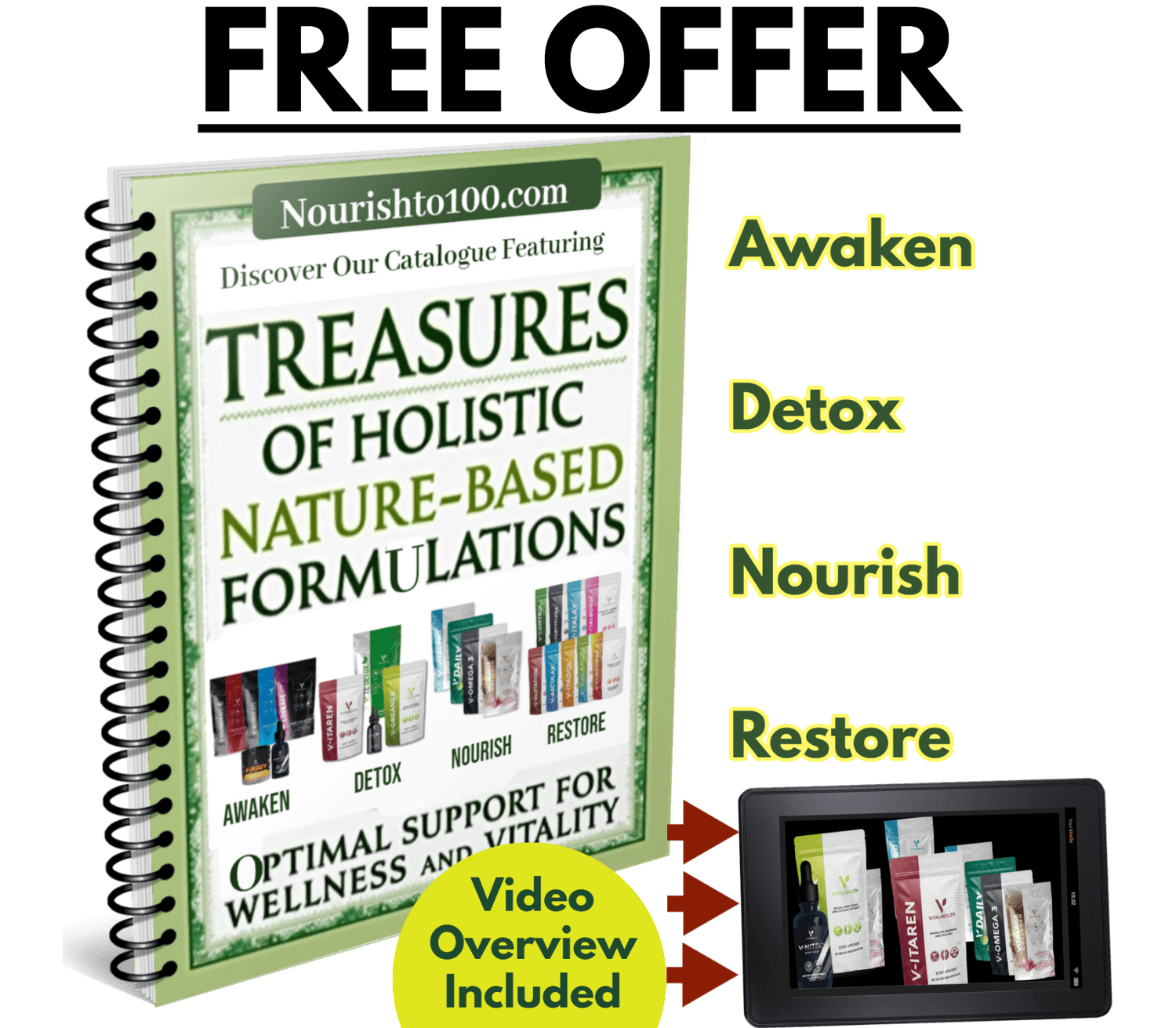
Subscribe To Get Catalogue with video overview 100% FREE.
Subscribe and get our Catalogue with video overview 100% FREE.
Also get weekly updates on holistic nature-based health & wellness solutions. Enter email...