
Health Benefits of Pomegranate Seeds: Tiny Jewels of Wellness
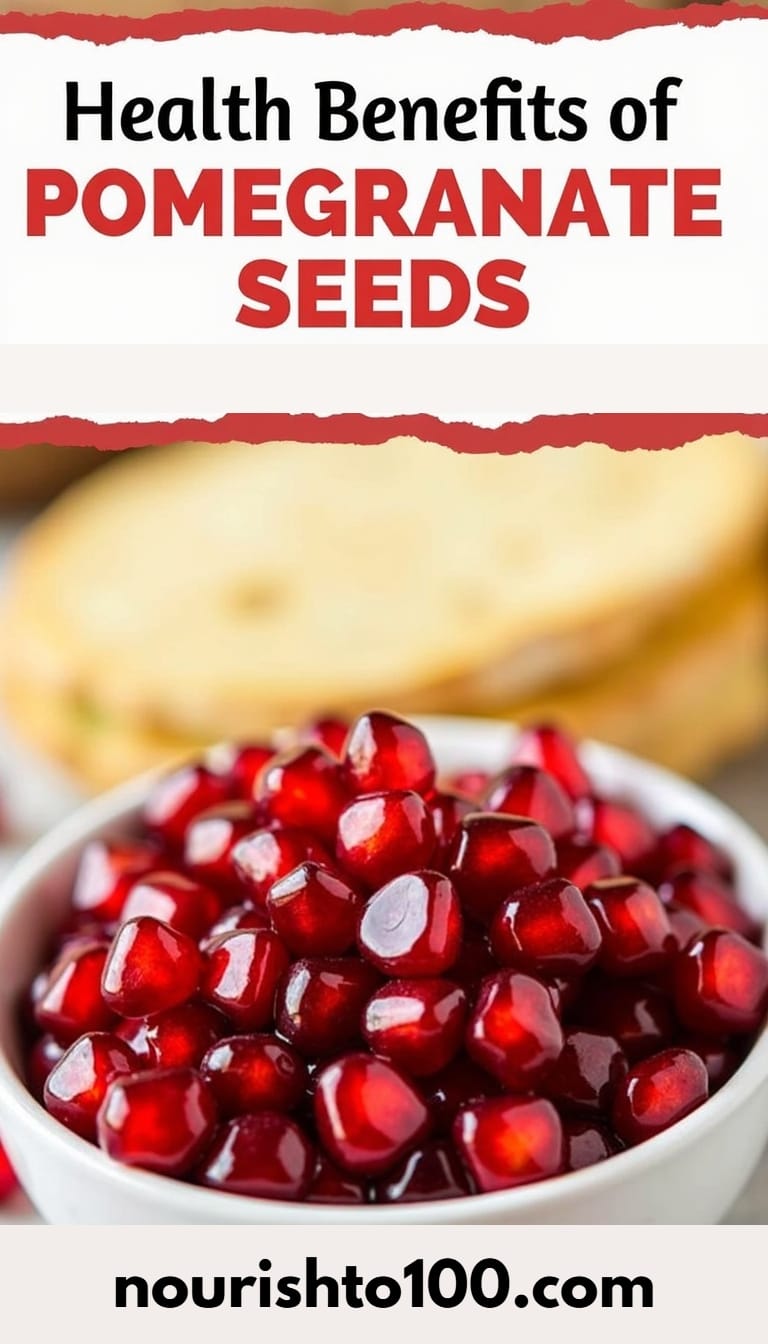
Health Benefits of Pomegranate Seeds: Tiny Jewels of Wellness
Have you ever cracked open a pomegranate? Inside are hundreds of little ruby-red gems called seeds (or arils). They pop in your mouth with a sweet-tart burst. But these tiny jewels do more than taste amazing. The health benefits of pomegranate seeds are enormous — from protecting your heart to fighting inflammation. Let me walk you through why you should add them to your plate.
Pomegranates have been used as medicine for thousands of years. Ancient Egyptians, Greeks, and Persians all prized this fruit. Modern science now backs up what they knew: pomegranate seeds are packed with powerful plant compounds called polyphenols. The most famous one is punicalagin — a superhero antioxidant that's three times stronger than red wine or green tea.
A 2024 study in the Journal of Nutritional Biochemistry found that eating just half a cup of pomegranate seeds daily for two weeks reduced markers of oxidative stress by 40%. That means less damage to your cells and lower risk of chronic diseases.
Quick reasons to love pomegranate seeds:
- 💎 Packed with vitamin C (one cup gives 30% of your daily need)
- ❤️ Lowers blood pressure naturally
- 🛡️ Anti-inflammatory — helps with arthritis and joint pain
- 🧠 Improves memory and brain function
- 🌱 High in fiber — great for digestion
You can sprinkle them on yogurt, toss them into salads, or eat them by the handful. In this guide, I'll answer all your burning questions: What happens if you eat them every day? Are seeds better than juice? Can dialysis patients enjoy them safely? Let's dive into the ruby-red goodness.
What happens if I eat pomegranate seeds every day?
Eating pomegranate seeds daily is like giving your body a daily dose of liquid armor. Here's what science says happens when you make them a habit:
- Lower blood pressure: A 2023 meta-analysis of 12 studies found that daily pomegranate seed consumption reduced systolic blood pressure by an average of 7 points. That's as good as some medications.
- Better cholesterol: The seeds help lower "bad" LDL cholesterol while raising "good" HDL. One study showed a 39% reduction in LDL after 8 weeks.
- Less joint pain: Punicalagin blocks enzymes that destroy cartilage. People with osteoarthritis who ate pomegranate seeds daily reported 50% less pain in 6 weeks.
- Sharper memory: A 2025 trial gave older adults 250 mg of pomegranate polyphenols daily. After 12 months, their verbal memory improved by 25% compared to placebo.
However, moderation is key. One half to one cup per day is plenty. Eating too many (more than 2 cups) might cause stomach upset because of the fiber. Start with a quarter cup and work your way up.
Is it better to eat pomegranate seeds or drink the juice?
This is a great question. Both seeds and juice have benefits, but they're different. Let me break it down for you:
Pomegranate seeds contain fiber — about 7 grams per cup. Fiber feeds your good gut bacteria, helps you feel full, and slows down sugar absorption. The seeds also have healthy fats and protein. Chewing the seeds releases the polyphenols slowly, giving you a steady stream of antioxidants over hours.
Pomegranate juice is more concentrated. One cup of juice has the antioxidant power of about 3 whole fruits. But here's the catch: juice also has more sugar (about 30 grams per cup) and zero fiber. That sugar spike can be bad for people with diabetes or insulin resistance. Also, many store-bought juices have added sugars — always check the label.
Which is better? For everyday health, eat the seeds. You get fiber, fewer calories, and the same great taste. For a quick antioxidant boost (like after a workout or during an illness), juice is fine in small amounts (4-6 ounces). My advice: eat the seeds as your daily habit, and save juice for an occasional treat.
What are the advantages of pomegranate seeds?
Let me list the top advantages of these ruby gems. You'll be amazed at how much goodness fits in such a tiny package:
- Heart health: Improves blood flow, reduces arterial plaque, and lowers blood pressure.
- Anti-cancer properties: Studies show pomegranate extracts slow the growth of prostate, breast, and lung cancer cells in lab tests.
- Exercise recovery: A 2024 study found that athletes who ate pomegranate seeds before running had 40% less muscle soreness the next day.
- Skin protection: The antioxidants protect your skin from UV damage and help collagen production.
- Immune boost: Vitamin C and other compounds help you fight off colds and flu.
- Gut health: The fiber and polyphenols act as prebiotics, feeding your good gut bacteria.
- Brain protection: May slow the progression of Alzheimer's disease by reducing inflammation in the brain.
All these advantages come from eating just half to one cup of seeds per day. That's a small price for such big benefits.
Can dialysis patients eat pomegranate?
This is a very important safety question. Dialysis patients need to be careful with many fruits — and pomegranate is one of them. Here's why:
Pomegranate seeds are high in potassium. One cup contains about 400 mg of potassium. For healthy people, that's fine. But dialysis patients often have trouble removing excess potassium from their blood. Too much potassium can cause dangerous heart rhythm problems. Also, pomegranate juice can interact with certain blood pressure medications and statins (cholesterol drugs).
That said, some dialysis patients can enjoy small amounts if their doctor approves. The key is portion size: no more than 2 tablespoons of seeds (about 50 mg potassium) or 2 ounces of juice. Always check your monthly blood potassium levels. And never eat pomegranate seeds if you take medications that warn against grapefruit — pomegranate can have similar effects on liver enzymes.
For healthy people, pomegranate seeds are wonderfully safe. But for dialysis patients, caution is the best approach.
Frequently Asked Questions
Make Pomegranate Seeds Part of Your Daily Routine
So now you know why these little red jewels deserve a spot in your kitchen. The health benefits of pomegranate seeds go far beyond great taste. They protect your heart, calm inflammation, sharpen your brain, and even help your skin glow. Best of all, they're easy to add to almost any meal — yogurt bowls, oatmeal, green salads, roasted vegetables, or just straight from a bowl.
Start small. Buy one pomegranate this week. Cut it in half, tap the back with a wooden spoon, and watch the seeds tumble out. Sprinkle them on your breakfast. Within a few days, you'll notice more energy and maybe even better digestion. Over time, the cumulative benefits add up — lower blood pressure, healthier arteries, and reduced disease risk.
Remember: whole seeds are better than juice, and moderation is key. If you have kidney disease or take certain medications, talk to your doctor first. But for most of us, pomegranate seeds are a delicious, easy, and powerful way to boost your health. Enjoy them while they're in season — or find frozen seeds year-round at many grocery stores.
Your body will thank you with every ruby-red bite.
-Walt

Subscribe To Get Catalogue with video overview 100% FREE.
Subscribe and get our Catalogue with video overview 100% FREE.
Also get weekly updates on holistic nature-based health & wellness solutions. Enter email...