Health Benefits of Soursop (Nature's Spiky Secret)
Powerful Health Benefits of Soursop (Nature's Spiky Secret)
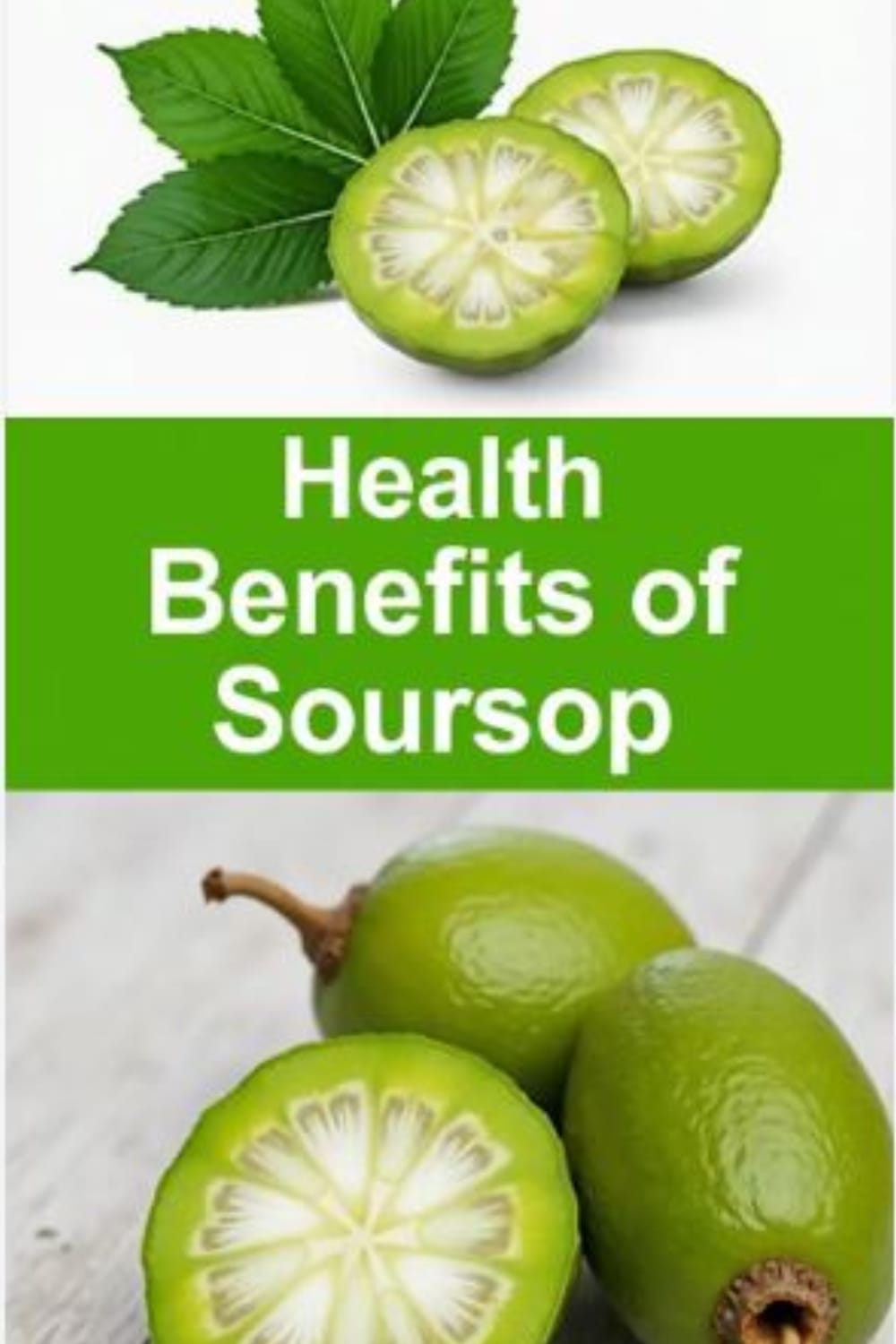
Have you ever seen a spiky green fruit that looks like a tiny dinosaur egg? That’s soursop – also called graviola or guanábana. It’s creamy, tangy, and tastes like a mix of strawberry, pineapple, and citrus. But the health benefits of soursop are what really make this tropical fruit famous. Traditional healers in the Amazon and Caribbean have used soursop leaves, bark, and fruit for centuries to treat everything from infections to tumors.
Modern science is now catching up. A 2025 review in Evidence-Based Complementary and Alternative Medicine analyzed over 50 studies on soursop. The results? Soursop contains powerful compounds called acetogenins that show promise against bacteria, viruses, and even some cancer cells in lab tests. However – and this is a BIG however – most studies are in test tubes or animals, not humans. So take the cancer claims with a grain of salt.
Why soursop is a tropical treasure:
- 🌿 Rich in vitamin C (30% of daily needs per cup)
- 🦠 Natural antibacterial and antiviral properties
- 💤 May improve sleep and reduce stress (traditional use)
- 🩸 Contains potassium and magnesium for blood pressure
- 🍈 High in fiber for digestion
In this guide, I’ll answer your biggest questions: What does soursop actually do to your body? What illnesses has it been known to treat? What’s the best way to eat or drink it? And is it truly helpful for AML (a type of leukemia)? Let’s peel back the spikes and find out.
What does soursop do to your body?
When you eat soursop fruit or drink soursop tea, several things happen. First, the vitamin C boosts your immune system – helping you fight off colds. The fiber (about 4g per cup) improves digestion and keeps you regular. The potassium and magnesium help relax your blood vessels, which can lower blood pressure a few points. Some people report feeling calmer and sleeping better after drinking soursop leaf tea – traditional use for anxiety and insomnia. However, the most famous effect is the acetogenins. In lab dishes, these compounds have killed certain cancer cells (breast, colon, prostate) and inhibited bacteria like E. coli and staph. But remember: test tubes are not human bodies. Large amounts of soursop extract have caused nerve damage in animal studies. So moderation is key. Stick to the fruit pulp or a cup of tea – don’t take high-dose supplements without doctor supervision.
What illnesses has soursop been known to treat?
In traditional medicine (especially in the Amazon, the Caribbean, and parts of Africa), soursop has been used for:
- Infections: The leaves were made into tea to treat coughs, fever, and urinary tract infections. Modern studies confirm antibacterial activity against staph, E. coli, and even some drug-resistant strains.
- Parasites: Soursop seed extract has been used against head lice and intestinal worms.
- Inflammation: Poultices of leaves were applied to swollen joints and skin infections.
- High blood pressure: The fruit’s potassium and magnesium help, but traditional use also includes leaf tea.
- Diabetes (mild help): Some small human studies show soursop leaf tea slightly lowers blood sugar – but not enough to replace medication.
- Cancer (controversial): Lab studies show acetogenins kill certain cancer cells, but no human trials prove it works. Never replace chemotherapy with soursop – but as a complementary tea, some patients use it with their doctor’s OK.
Important: Soursop is not a cure for any disease. It’s a supportive food, not a drug.
What is the best way to consume soursop?
The best way depends on what part of the plant you’re using:
- Fresh fruit pulp: Cut a ripe soursop (soft to touch, greenish-yellow), scoop out the white flesh, and remove the black seeds (they’re toxic in large amounts). Eat it raw, blend into smoothies, or mix with yogurt. This gives you fiber, vitamins, and a delicious treat.
- Soursop juice: Blend the pulp with water, strain (optional), and sweeten lightly. Drink 1/2 to 1 cup per day.
- Soursop leaf tea: Steep 2-3 dried leaves (or 5-6 fresh leaves) in 2 cups of boiling water for 10 minutes. Strain and drink. This is the traditional way for sleep and anxiety. Start with 1 cup per day.
- Frozen pulp: Most Asian or Latin grocery stores sell frozen soursop pulp – great for smoothies.
Avoid soursop seed oil (can cause eye irritation) and never eat large amounts of seeds. Also, avoid high-dose extracts or supplements without medical supervision – they may contain too many acetogenins.
Is soursop good for AML?
AML (acute myeloid leukemia) is a fast-growing cancer of the blood and bone marrow. This is a very serious question. Let me be clear: There is no solid human evidence that soursop treats or cures AML. However, several lab studies have shown that soursop extracts (acetogenins) can kill leukemia cells in test tubes, including some AML cell lines. A 2024 study found that graviola extract induced apoptosis (cell death) in AML cells while leaving normal cells mostly unharmed – in a petri dish. That’s promising but extremely preliminary.
No human trials have been done. Moreover, soursop can interact with chemotherapy drugs and may cause nerve toxicity (like Parkinson-like symptoms) if taken in very high doses for months. If you or a loved one has AML, do not replace standard medical treatment with soursop. However, some integrative oncologists allow a cup of soursop tea or a small amount of fruit as a complementary therapy – but only after discussing with your doctor. Safety first. The fruit pulp is likely safe in normal food amounts (1/2 cup a few times a week). But high-concentration supplements are risky. Always ask your hematologist before adding soursop to an AML protocol.
Frequently Asked Questions
Enjoy Soursop as a Tropical Treat, Not a Miracle Cure
Now you know the real story behind this spiky superfruit. The health benefits of soursop are impressive but nuanced – it’s great for immune support, digestion, and traditional calming teas. Lab studies on cancer are exciting but unproven in humans. For everyday health, enjoy the fruit pulp or a warm cup of leaf tea. It’s delicious, nutritious, and a wonderful way to add variety to your diet.
Start with half a cup of fresh soursop or a single tea bag. See how your body feels. If you like it, add it to your rotation a few times a week. But remember: no single food is magic. Soursop works best as part of a balanced diet rich in fruits, vegetables, whole grains, and lean protein.
Respect the plant – don’t overdo it. And never replace doctor-prescribed treatments with soursop. Now go find some at your local Latin or Asian market, and enjoy a taste of the tropics!
-Walt

Subscribe To Get Catalogue with video overview 100% FREE.
Subscribe and get our Catalogue with video overview 100% FREE.
Also get weekly updates on holistic nature-based health & wellness solutions. Enter email...