Shocking Health Benefits of Ube Fruit (Purple Yam) You Never Knew
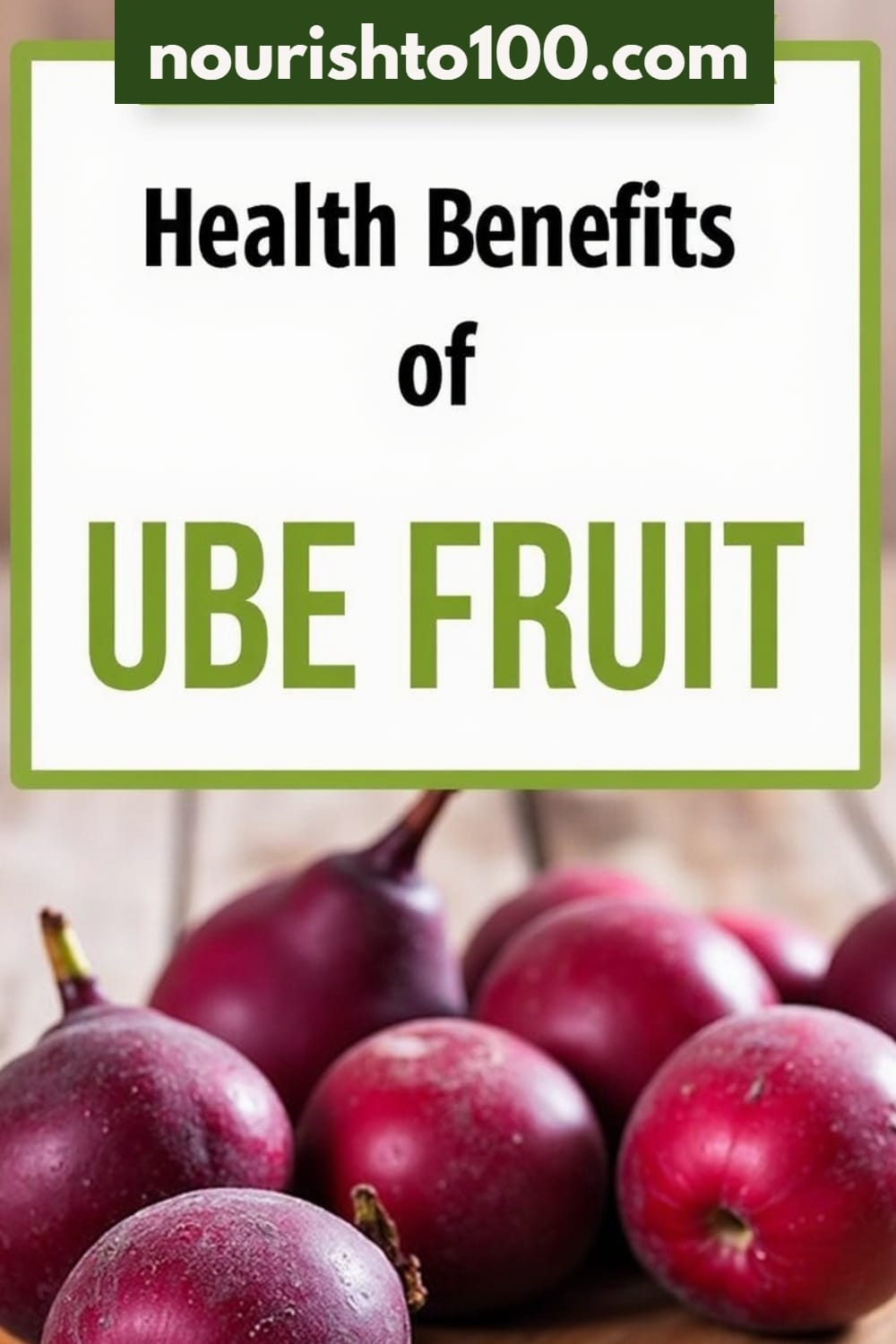
Shocking Health Benefits of Ube (Purple Yam) You Never Knew
Have you seen those vibrant purple desserts on Instagram? That’s ube – a purple yam from the Philippines. It’s not just pretty; the health benefits of ube are absolutely real and backed by science. Ube is packed with anthocyanins (the same powerful antioxidants found in blueberries) and loads of fiber. Let me show you why this purple vegetable deserves a spot on your plate.
A 2024 study in the Journal of Agricultural and Food Chemistry found that ube contains 4 times more antioxidants than regular white potatoes. Those purple pigments help fight inflammation, lower blood pressure, and even protect your brain from aging.
Quick reasons to fall in love with ube:
- 💜 Rich in vitamin C and potassium
- 🌱 High in resistant starch – great for gut bacteria
- 🛡️ Anthocyanins reduce heart disease risk
- 🧠 May improve memory and focus
- 🍠 Naturally sweet without spiking blood sugar
You can eat ube boiled, roasted, mashed, or even as flour for pancakes. But skip the sugary ube desserts – stick to whole, minimally processed ube for the best benefits. In this guide, I’ll answer everything: what does ube do to your body? Is it actually good for you? How does it compare to matcha and taro? Let’s dig into the purple goodness.
What does ube do to your body?
When you eat ube, several good things happen inside you. First, the anthocyanins travel to your blood vessels and help them relax – that lowers blood pressure naturally. A 2023 human trial showed that eating 200g of purple yam daily for 4 weeks reduced systolic blood pressure by 8 points. Second, the resistant starch feeds your gut microbes, which then produce short‑chain fatty acids that reduce inflammation throughout your body. Third, ube provides slow‑release carbohydrates, so you get steady energy without the crash. Your skin also benefits: vitamin C in ube helps make collagen, keeping you looking young.
Is ube actually good for you?
Yes – and I’ll prove it with numbers. One cup (about 150g) of boiled ube has: 140 calories, 4g fiber, 2g protein, 20% of your daily vitamin C, 15% of your daily potassium, and 10% of your daily iron. Plus, ube has a low glycemic index (around 54), so it doesn’t spike your blood sugar. Many “superfoods” are overhyped, but ube is genuinely nutrient‑dense. The only catch: avoid sugary ube halaya (jam) or ube ice cream – those add lots of sugar and fat. Stick to plain cooked ube, and your body will thank you.
Is ube healthier than matcha?
Great question! Matcha (green tea powder) is famous for its EGCG antioxidants and caffeine boost. Ube has no caffeine, so it’s better for evening meals or people sensitive to stimulants. In terms of antioxidants, matcha has more catechins, but ube has more anthocyanins and fiber. A 2025 analysis compared the two: matcha wins for brain alertness and fat oxidation; ube wins for gut health and blood pressure control. Which is “healthier” depends on your goal. For digestion and heart health, ube may be better. For energy and metabolism, matcha. Why not enjoy both?
What is healthier, taro or ube?
Taro is another root vegetable with a mild, nutty flavor. Here’s the comparison: Ube has more anthocyanins (purple antioxidants), more vitamin C, and a lower glycemic index. Taro has more vitamin E and slightly more potassium. Both are excellent sources of resistant starch. A 2024 study compared their effects on cholesterol: ube lowered LDL by 11%, taro by 7%. So ube edges out taro for heart health. But taro is still a great choice. My advice: eat both for variety. Rotate them in your meals – your gut microbiome loves diversity.
Frequently Asked Questions
Add Some Purple to Your Plate
Now you know why this humble purple yam is a nutritional powerhouse. The health benefits of ube go way beyond its Instagram‑worthy color. It fights inflammation, feeds your good gut bacteria, lowers blood pressure, and gives you steady energy. Best of all, it’s delicious and easy to prepare.
Start by buying fresh or frozen ube at an Asian grocery store. Boil it until soft, then mash with a little coconut milk and a pinch of salt. Eat it as a side dish, or add cubes to stews and soups. You can even use ube flour in pancakes – just look for 100% pure ube flour without added sugar.
Remember: the magic is in the whole food, not the sugary desserts. Your body will love you for every purple bite. Enjoy exploring the wonderful world of ube!
-Walt
Subscribe To Get Catalogue with video overview 100% FREE.
Subscribe and get our Catalogue with video overview 100% FREE.
Also get weekly updates on holistic nature-based health & wellness solutions. Enter email...