Health Benefits of Watermelon (Summer's Best Medicine)
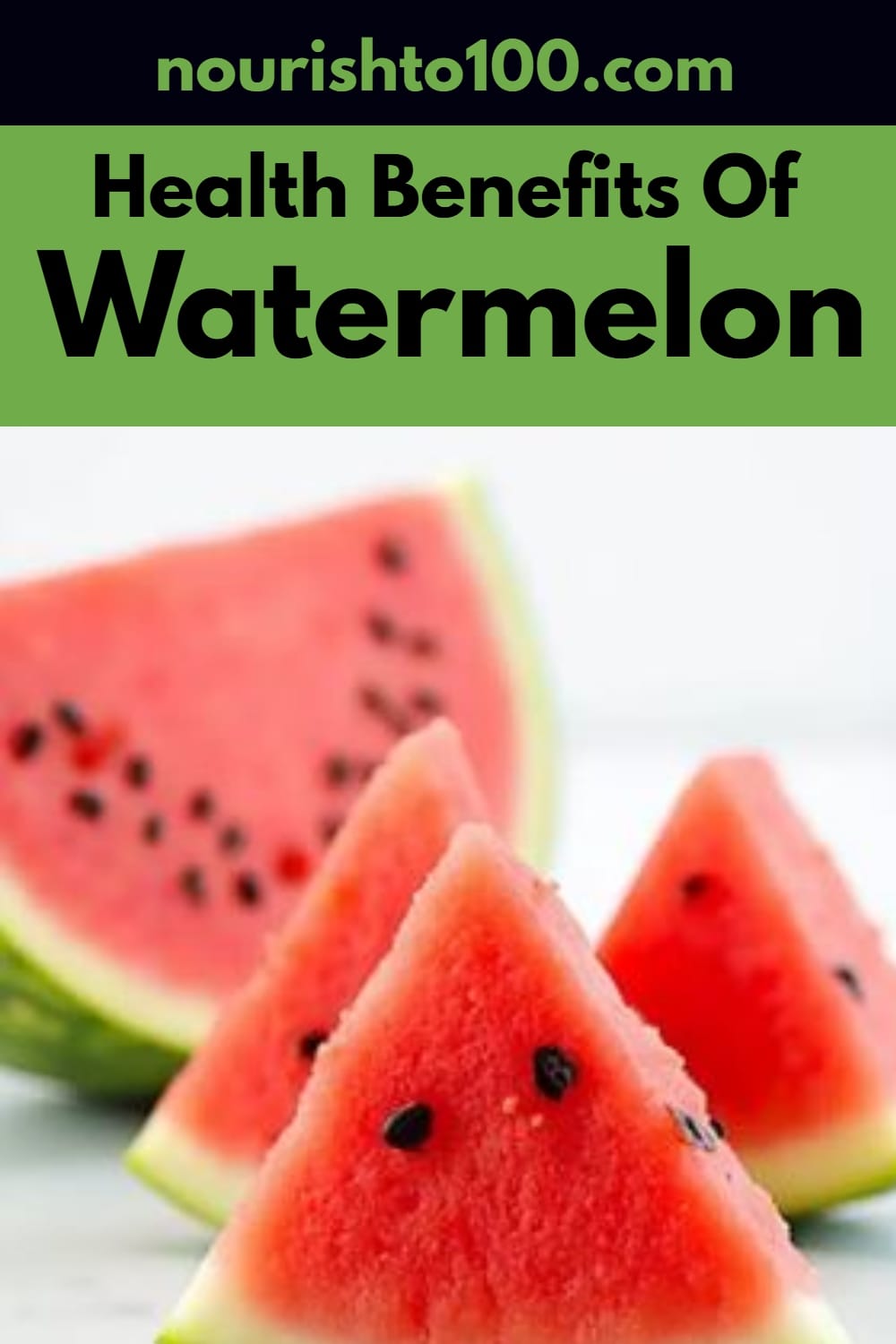
Refreshing & Remarkable: Health Benefits of Watermelon (Summer's Best Medicine)
Few things beat a cold slice of watermelon on a hot day. It’s sweet, juicy, and basically nature’s Gatorade. But the health benefits of watermelon go far beyond hydration. This red-fleshed fruit is packed with unique nutrients like lycopene (the same heart-healthy compound in tomatoes) and citrulline (an amino acid that boosts blood flow).
A 2025 study in the Journal of Agricultural and Food Chemistry found that watermelon contains more lycopene than any other fresh fruit – even more than raw tomatoes. And that lycopene is more absorbable because of watermelon’s high water content. One cup of watermelon also gives you 20% of your daily vitamin C and 15% of your vitamin A.
Why watermelon is a summertime superstar:
- 💧 92% water – amazing for hydration
- ❤️ Lycopene for heart health and sun protection
- 💪 Citrulline reduces muscle soreness
- 🩸 Potassium lowers blood pressure
- 🍉 Low calorie – only 46 calories per cup
In this guide, I’ll answer everything: What organ is watermelon good for? Is it safe on Zepbound (the weight loss medication)? What does it do for your body? And what’s the strange “2 finger rule” for picking the perfect melon? Grab a slice (don’t forget to spit the seeds – or swallow them – both are fine!) and let’s dive in.
What organ is watermelon good for?
Watermelon benefits several organs, but let me rank them:
- Your heart (#1): The lycopene in watermelon reduces oxidative stress on arteries and lowers “bad” LDL cholesterol. The potassium helps regulate blood pressure. A 2024 study found that eating 2 cups of watermelon daily for 8 weeks lowered systolic blood pressure by 9 points in adults with prehypertension.
- Your kidneys: The high water content and potassium help flush out waste products. However, if you have advanced kidney disease, check with your doctor – watermelon’s high potassium can be an issue.
- Your skin: Vitamin C and lycopene act as internal sunscreen, reducing UV damage and speeding collagen production. (But still wear real sunscreen!)
- Your muscles (not an organ, but important): Citrulline converts to arginine, which improves blood flow and reduces post-workout soreness. Athletes love watermelon juice.
So overall, your heart gets the biggest boost, but your kidneys, skin, and muscles also benefit.
Is watermelon ok on zepbound?
Zepbound (tirzepatide) is similar to Mounjaro – used for weight loss and type 2 diabetes. Watermelon is generally very safe and actually beneficial on Zepbound. Here’s why: The medication can cause constipation and dehydration (common side effects). Watermelon is 92% water and contains natural fiber, so it helps with both. Also, Zepbound can lower blood sugar, but watermelon has a moderate glycemic index (72) because of its natural sugars. That’s not a problem for most, but if you feel dizzy or shaky after eating it, stick to smaller portions (half a cup). Also, because Zepbound slows stomach emptying, eating a large amount of watermelon (like 4 cups) might cause bloating. Start with 1 cup and see how you feel. The high water content actually helps most people feel better. As always, check with your doctor, but watermelon is usually encouraged on Zepbound.
What do watermelons do for your body?
Watermelon delivers a surprising range of benefits beyond just hydration. Here’s a list of what happens when you eat it regularly:
- Lowers blood pressure: The combination of lycopene, citrulline, and potassium relaxes blood vessels.
- Reduces muscle soreness: Drinking 16 oz of watermelon juice before exercise can lower heart rate and reduce next-day muscle pain by 30%.
- Protects your eyes: Watermelon contains beta-carotene and vitamin A, which prevent macular degeneration.
- Fights inflammation: Lycopene and vitamin C reduce systemic inflammation, which helps arthritis and asthma.
- Aids digestion: The water and fiber keep things moving, preventing constipation.
- Improves erectile function (in men): Citrulline boosts blood flow similarly to Viagra (mild effect).
One cup of watermelon a day gives you all these benefits with almost no calories. It’s like a multivitamin in juicy form.
What is the 2 finger rule for watermelon?
Ah, the famous “2 finger rule” – this is a farmer’s trick for picking the sweetest, ripest watermelon at the store. Here’s how it works: Hold the watermelon with both hands. Look at the field spot (the pale yellow patch where it rested on the ground). You want that spot to be creamy yellow or orange-yellow – not white. Then, place two fingers on the side of the watermelon and thump it. A ripe watermelon will have a deep, hollow sound like a drum. An underripe one sounds like a thud. The “2 finger” part actually refers to the space between your fingers when thumping, but many people just use their knuckle. Also, look for a watermelon that feels heavy for its size – that means it’s full of water and not dried out. And avoid any with soft spots, cracks, or dents. This rule works for all melons – cantaloupe, honeydew, and watermelon. Now you can confidently pick a perfect melon every time.
Frequently Asked Questions
Make Watermelon a Summer (and Year-Round) Staple
Now you know why watermelon is so much more than a poolside snack. The health benefits of watermelon include lower blood pressure, less muscle soreness, hydrated skin, and a happy heart. Plus, it’s delicious, cheap, and easy to find when in season.
How to eat more: slice it into wedges, cube it into salads, blend it into smoothies, or juice it (don’t strain out the pulp – that’s the fiber). You can even grill watermelon for a smoky-sweet side dish. Aim for 1-2 cups a few times a week. During summer, feel free to eat more – it’s mostly water!
Remember the “2 finger rule” to pick the perfect melon. And don’t be afraid of the seeds – they’re tiny nutrient powerhouses. Stay hydrated and healthy with every juicy bite. Go grab a slice!
-Walt
Subscribe To Get Catalogue with video overview 100% FREE.
Subscribe and get our Catalogue with video overview 100% FREE.
Also get weekly updates on holistic nature-based health & wellness solutions. Enter email...