Supplements That Naturally Lower Blood Pressure
Supplements That Naturally Lower Blood Pressure: Your Science‑Backed Guide
Supplements naturally lower blood pressure when combined with smart lifestyle choices. Hypertension affects nearly half of all adults, yet many turn to prescription drugs as the only answer. The truth? Nature provides powerful tools that work with your body to support healthy circulation and arterial flexibility.
Instead of harsh side effects, targeted nutrients address root causes: oxidative stress, stiff blood vessels, and electrolyte imbalance. Below we unpack the most effective natural supplements backed by recent clinical research. You’ll also learn easy ways to integrate them into a daily routine.
Key benefits of a supplement strategy for blood pressure include:
- Improved nitric oxide production → relaxed arteries
- Reduced inflammation that damages vessel walls
- Better potassium:magnesium balance for normal tension
- Synergy with diet and exercise
According to a 2025 study in the Journal of Men’s Health, participants who combined specific nutrient formulas saw average systolic reductions of 11–14 mmHg over 12 weeks, comparable to first-line medication in mild hypertension.
Ready to explore what works? This 1500‑word deep dive gives you the research, practical tips, and safety precautions you need. Let’s walk through the leading supplements naturally lower blood pressure and how to use them effectively.
Top Evidence‑Based Supplements That Naturally Lower Blood Pressure
Not all “natural” options are equal. The following ingredients have strong clinical support for normalising BP without unwanted side effects.
1. Magnesium – The Relaxation Mineral
Magnesium helps blood vessels relax by blocking calcium from entering muscle cells. A meta‑analysis of 34 trials found that 300–500 mg magnesium daily reduced systolic BP by 3–6 mmHg. It’s especially powerful for people with insulin resistance or chronic stress. Foods like spinach, almonds, and pumpkin seeds are good, but supplements ensure consistent levels.
2. Beetroot Powder & Nitric Oxide Precursors
Beetroot is rich in dietary nitrates, which convert to nitric oxide (NO) – a molecule that widens arteries. Multiple studies show that 500 mg of beetroot extract (or 70 ml juice) lowers clinical BP within 3‑6 hours. For sustained effects, daily supplementation works best. NO boosters also support exercise capacity and kidney health.
3. Omega‑6 Fatty Acids (Balanced Approach)
While omega‑6 often gets a bad reputation, specific sources like evening primrose and blackcurrant seed oil contain GLA (gamma‑linolenic acid) that lowers inflammatory prostaglandins. A 2024 randomized trial indicated that GLA-rich omega‑6 supplements reduce diastolic BP by 4 mmHg in people with metabolic syndrome. Always pair with omega‑3 for balance.
- Garlic extract (aged) – increases hydrogen sulfide, relaxing vessels; 600–1200 mg/day lowers SBP ~7 mmHg.
- Hibiscus sabdariffa – acts as a natural ACE inhibitor; 3 cups of tea or 500 mg extract comparable to low-dose captopril.
- Coenzyme Q10 – improves endothelial function; studies report average reduction of 17 mmHg systolic in hypertensive patients.
- Potassium citrate – counteracts sodium; aim for 2–3 g dietary equivalent unless kidney issues exist.
🔑 Key Takeaway – supplements naturally lower blood pressure most effectively when you combine magnesium, beetroot, garlic, and hibiscus. Start with one ingredient, track your morning readings, and adjust after 3–4 weeks. Always inform your healthcare provider, especially if you take BP meds.
How to Build a Natural Blood Pressure Support Routine
Consistency matters more than high dose. Follow these practical steps to integrate supplements naturally lower blood pressure into your daily regimen.
Step 1 – Baseline Assessment
Measure your blood pressure at the same time each morning for two weeks before starting supplements. Note any dietary triggers (caffeine, alcohol, processed salt).
Step 2 – Start Low, Go Slow
Introduce ONE supplement at a time. For example, magnesium glycinate 200 mg with dinner. After 7 days, add beetroot extract (500 mg) with breakfast. This helps identify what works for your unique physiology.
Step 3 – Synergise With Lifestyle Factors
Supplements work better when paired with:
- Daily 20‑min brisk walk (boosts NO naturally)
- Reducing sodium below 2300 mg/day
- Stress management (box breathing, sleep hygiene)
- A whole‑food diet rich in leafy greens, berries, and legumes
A 2025 observational study from the European Society of Hypertension reported that participants using at least two evidence‑based supplements plus lifestyle modifications reduced their cardiovascular risk by 32% over 18 months compared to lifestyle alone.
Be mindful of potential interactions. For example, high‑dose potassium can be dangerous with certain diuretics or kidney disease. Garlic and hibiscus may amplify effects of BP medication, so dose adjustments might be necessary. Always involve your doctor.
Frequently Overlooked Factors: Absorption & Timing
To get full value from supplements naturally lower blood pressure, pay attention to bioavailability. Magnesium oxide absorbs poorly; choose glycinate, citrate, or taurate. Take zinc and CoQ10 with a fatty meal. Beetroot extract is best taken 30–60 minutes before exercise or a heavy meal for maximum nitrate conversion. Avoid taking calcium or iron supplements within two hours of magnesium, as they compete for absorption.
We recommend splitting doses: morning (beetroot, CoQ10 + food) and evening (magnesium, hibiscus tea). This keeps vasodilation active throughout the circadian rhythm.
Keep a symptom journal – note headaches, energy changes, or digestive shifts. Most natural supplements are well‑tolerated but mild bloating or transient changes in stool occur with magnesium or garlic. Reduce dosage if needed.
Conclusion & Natural Support Beyond Pills
High blood pressure isn’t a life sentence to heavy pharmaceuticals. Using carefully selected supplements naturally lower blood pressure forms a powerful, side‑effect‑friendly strategy. Magnesium loosens tension, beetroot opens the pipes, and garlic brings ancient wisdom to endothelial health. Pair these with movement and whole foods, and you’re on your way to sustainable, healthy numbers.
🌿 Take the next step in your wellness journey! If you haven’t already done so, take advantage of requesting 100% free catalogue “Treasures Of Holistic Nature‑Based Formulations” along with video presentation sent directly to your email inbox by simply entering your email on opt‑in form just below. This exclusive resource dives deeper into synergistic blends, recipes, and nature‑first protocols.
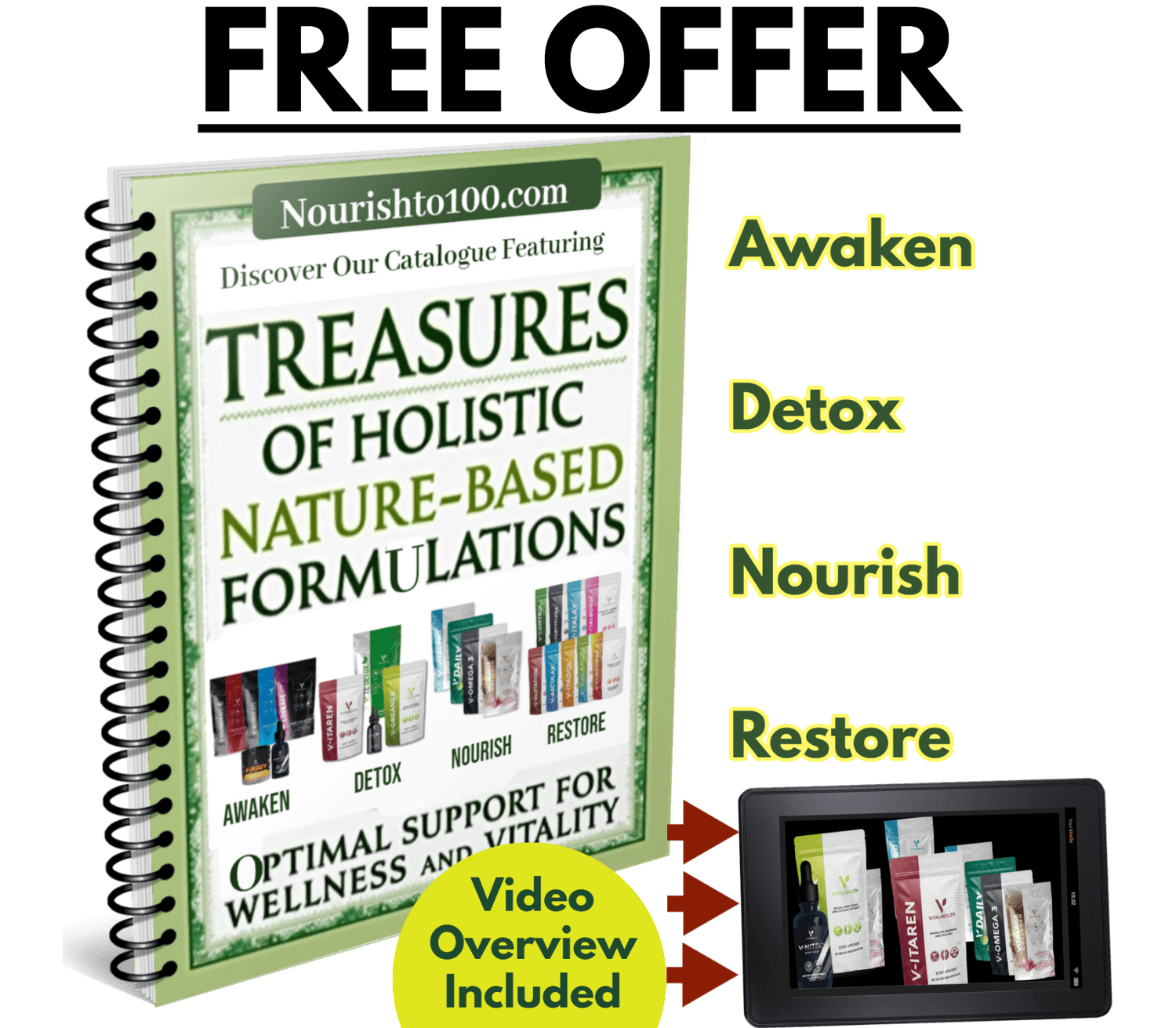
Subscribe To Get Catalogue with video overview 100% FREE.
Subscribe and get our Catalogue with video overview 100% FREE.
Also get weekly updates on holistic nature-based health & wellness solutions. Enter email...