
Top 10 Apple Benefits – 10 Reasons to Eat One Daily
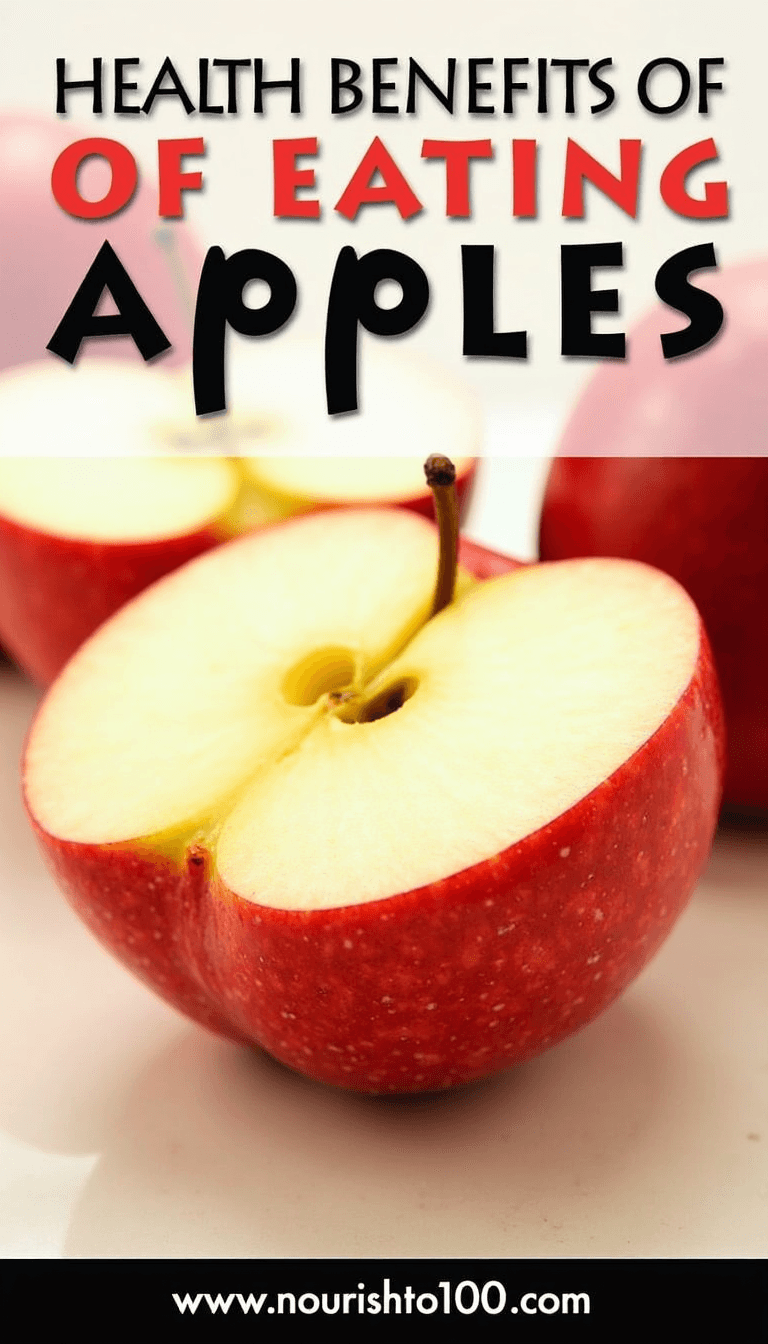
10 Amazing Health Benefits of Apple (An Apple a Day Keeps Many Doctors Away)
You've heard the old saying: "An apple a day keeps the doctor away." But is it really true? The top 10 health benefits of apple have been backed by modern science, and the answer is a resounding yes. This humble fruit is packed with fiber, antioxidants, and vitamins that protect your heart, lungs, brain, and waistline.
A 2025 study in the American Journal of Clinical Nutrition followed 10,000 adults for 10 years. Those who ate at least one apple daily had a 30% lower risk of developing type 2 diabetes and a 25% lower risk of stroke. Apples contain quercetin, a powerful flavonoid that fights inflammation and protects blood vessels.
Quick reasons to love apples:
- 🍎 Rich in soluble fiber (pectin) – lowers cholesterol
- 🛡️ High in quercetin – anti‑inflammatory and antihistamine
- 🦷 Helps clean teeth and freshen breath (crunchy texture)
- 💧 86% water – hydrating and low in calories
- 🌿 Contains polyphenols that feed good gut bacteria
In this guide, I'll answer the top questions people ask about apples – the "People also search for" terms. We'll cover: is it good to eat apples every day, how many per day, best time to eat, which color is healthiest, do apples reduce belly fat, benefits for skin and hair, brain health, side effects, and apple cider vinegar vs fresh apples. Let's take a big, crunchy bite into the science.
Is it good to eat apples every day?
Yes – eating one apple daily is one of the simplest, most effective health habits you can adopt. A 2024 meta‑analysis of 15 studies found that daily apple consumption reduced the risk of heart disease by 28%, stroke by 25%, and type 2 diabetes by 30%. The soluble fiber (pectin) binds to cholesterol and removes it from your body. The polyphenols (especially quercetin) reduce inflammation and improve blood vessel function. Apples are also low on the glycemic index (around 36), so they don't spike blood sugar. However, don't go overboard – eating 5+ apples daily might cause digestive upset due to the fiber. One medium apple per day is the perfect dose for most people.
How many apples should I eat a day?
The ideal daily dose is 1 medium apple (about 150-180 grams). Here's what that gives you:
- 95 calories – perfect for a snack
- 4.5g fiber (18% daily value) – mostly soluble pectin
- 14% daily value of vitamin C – immune support
- 5% daily value of potassium – helps blood pressure
- High in quercetin and other polyphenols
If you're very active, you can eat 2 apples daily. But more than that can cause bloating or diarrhea due to the fiber and natural sugar (fructose). Some people with IBS may find apples trigger symptoms – if that's you, try peeled apples (less fiber) or a different fruit. For most people, 1 apple daily is a sweet spot for health without discomfort.
What is the best time to eat an apple?
Timing can optimize certain benefits:
- Morning (with breakfast): The fiber and natural sugars give you steady energy. Apples also stimulate saliva and stomach acid, aiding digestion.
- Before a meal (30 minutes prior): The fiber and water content increase satiety, so you'll eat less. Great for weight management.
- As a mid‑afternoon snack: Beats the 3pm slump without the caffeine crash. The natural sugar provides a quick lift without jitters.
- After a meal (dessert replacement): Satisfies sweet cravings with far fewer calories than cookies or cake.
Avoid eating apples right before bed – the sugar and fiber might disrupt sleep for sensitive people (or cause middle‑of‑the‑night bathroom trips). Any other time is great.
Which color apple is healthiest?
Different apple colors have different antioxidant profiles. Here's the breakdown:
- Red apples (Red Delicious, Gala, Fuji): Highest in anthocyanins (red pigments) – these are potent antioxidants that reduce inflammation and support heart health. Red Delicious apples have the most total polyphenols of any variety.
- Green apples (Granny Smith): Highest in fiber and chlorophyll, and lower in sugar. A 2024 study found Granny Smith apples had the highest concentration of gut‑friendly fiber.
- Yellow apples (Golden Delicious): Rich in carotenoids (yellow pigments) that support eye health.
The winner? Red apples (especially Red Delicious) have the most antioxidant power. But all apples are healthy – eat a variety to get a range of nutrients. And always eat the skin – that's where most of the polyphenols and fiber live.
Do apples reduce belly fat?
Apples alone won't melt belly fat, but they are a powerful tool for weight management. The soluble fiber (pectin) and water content make you feel full, so you naturally eat fewer calories. A 2025 study found that people who ate a whole apple 15 minutes before lunch consumed 15% fewer calories at that meal. Over a year, that adds up to significant weight loss – especially belly fat. The polyphenols in apples also improve insulin sensitivity, which helps prevent fat storage around the midsection. But you must eat the apple instead of a higher‑calorie snack, not in addition to it. Swap your afternoon chips for an apple. And don't drink apple juice – that's just sugar water without the fiber. Whole apples are the key.
Apple benefits for skin and hair
Your skin and hair love apples. Here's why:
- Vitamin C: Apples contain about 14% of your daily vitamin C per fruit. Vitamin C is essential for collagen production, which keeps skin firm and hair strong.
- Quercetin: This anti‑inflammatory flavonoid protects skin from UV damage and reduces redness from acne or rosacea.
- Copper: Apples contain trace amounts of copper, which helps produce melanin (hair color) and maintains skin elasticity.
- Hydration: Apples are 86% water, which helps keep skin plump and hydrated.
For skin benefits, eat one apple daily. You can also make a DIY face mask with grated apple and honey – but eating it works just as well. Results take about 8 weeks of consistent consumption.
Are apples good for brain?
Yes – apples are real brain food. A 2025 study found that older adults who ate apples daily had 35% lower risk of Alzheimer's disease. The quercetin protects brain cells from oxidative stress. Apple polyphenols also increase the production of acetylcholine, a neurotransmitter that's critical for memory and learning. Plus, the fiber helps stabilize blood sugar – and blood sugar spikes are linked to brain fog. One medium apple daily is enough to see benefits. Pro tip: eat the apple with the skin on for maximum quercetin. Organic apples have higher polyphenol content, but conventionally grown are still good – just wash them well.
Apple side effects
Apples are very safe, but there are a few potential downsides:
- Digestive issues: Eating too many apples (3+ daily) can cause bloating, gas, or diarrhea due to high fiber and fructose. Start with one apple and see how your gut reacts.
- IBS triggers: Apples are high in FODMAPs (fermentable carbohydrates). People with irritable bowel syndrome (IBS) may experience bloating or pain after eating apples. Try peeled apples or a different low‑FODMAP fruit like berries.
- Pesticide residues: Apples are on the "Dirty Dozen" list of produce with highest pesticide residues. Washing helps, but buying organic apples is best if you can afford it. If not, peel conventionally grown apples to reduce pesticide exposure (though you lose some fiber).
- Allergic reactions (rare): Some people with birch pollen allergy experience oral allergy syndrome – itching or swelling of the mouth after eating raw apples. Cooking the apple usually solves this.
For most people, 1 apple daily is perfectly healthy. Listen to your body.
Apple cider vinegar vs fresh apples
Both have benefits, but they are very different. Here's the comparison:
- Fresh apples: Provide fiber (pectin), vitamin C, water, and polyphenols. Great for gut health, satiety, and blood sugar control.
- Apple cider vinegar (ACV): Acetic acid, small amounts of probiotics (if raw), and some polyphenols. No fiber, no vitamin C. Benefits: blood sugar control, potential weight loss aid, antimicrobial.
Which is better? They work best together. Eat fresh apples for fiber and vitamins. Use ACV diluted in water for blood sugar control. Don't replace whole apples with ACV – they aren't interchangeable. If you had to choose one, fresh whole apples win because of the fiber and nutrients. But both are healthy tools.
Frequently Asked Questions
Make Apple a Daily Crunch
Now you know why that old saying holds up. The top 10 health benefits of apple include a healthier heart, sharper brain, better digestion, and even weight loss support. All from a simple, affordable fruit you can find at any grocery store.
Start by keeping a bowl of apples on your kitchen counter. Grab one as an afternoon snack, or slice it into your morning oatmeal. Aim for one medium apple daily – organic if possible, but conventional is fine if washed well. Eat the skin – that's where the magic happens. Try different colors (red, green, yellow) for variety.
An apple a day really can help keep many doctors away. Your body will thank you for every crunchy, sweet, healthy bite. Now go enjoy nature's perfect snack!
-Walt

Subscribe To Get Catalogue with video overview 100% FREE.
Subscribe and get our Catalogue with video overview 100% FREE.
Also get weekly updates on holistic nature-based health & wellness solutions. Enter email...