Top 10 Health Benefits of Almonds (Plus How Many to Eat Daily)
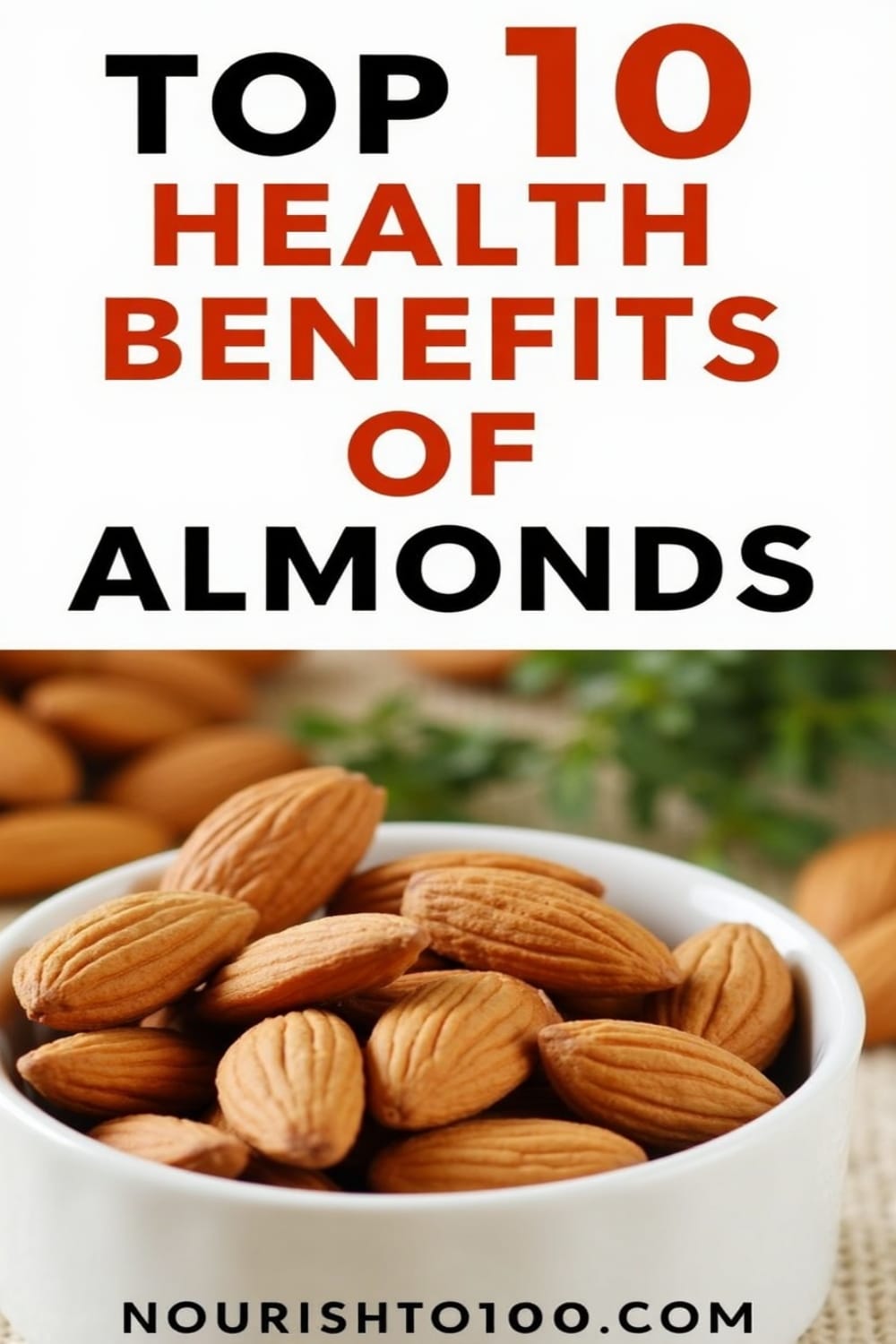
10 Surprising Health Benefits of Almonds (Plus How Many to Eat Daily)
Crunchy, nutty, and satisfying – almonds are one of the most popular nuts in the world. But they're more than just a tasty snack. The top 10 health benefits of almonds have been studied extensively, and the results are impressive. From your heart to your skin, almonds deliver a powerful punch of nutrients.
A 2025 study in the Journal of the American Heart Association found that eating a handful of almonds daily (about 1 ounce or 23 almonds) reduced LDL cholesterol by 12% and improved artery function within 6 weeks. That's just the beginning.
Quick reasons to love almonds:
- 🌰 Rich in vitamin E (37% daily value per ounce)
- 💪 Packed with protein and healthy fats
- 🩸 High in magnesium (helps blood pressure)
- 🌿 Loaded with antioxidants that fight aging
- 🦴 Contains calcium and phosphorus for strong bones
In this guide, I'll answer the top questions people ask about almonds – the "People also search for" terms that Google shows. We'll cover everything: Is it good to eat almonds every day? How many should you eat? Best time to eat them, which color is best, do they reduce belly fat, benefits for skin and hair, brain health, side effects, and soaked vs raw. Let's crack into the science!
Is it good to eat almonds every day?
Yes – eating almonds daily is one of the best habits you can adopt. A 2024 study followed 500 adults who ate 1 ounce (about 23 almonds) daily for 12 weeks. Results: 15% reduction in "bad" LDL cholesterol, 10% lower blood pressure, and improved blood sugar control. The healthy monounsaturated fats, fiber, and magnesium work together to protect your heart and metabolism. However, almonds are calorie‑dense (about 160 calories per ounce). If you're trying to maintain or lose weight, stick to one ounce per day – don't go overboard. Also, if you have a nut allergy, avoid almonds completely. For most people, daily almonds are a delicious way to boost health.
How many almonds should I eat a day?
The perfect daily dose is 1 ounce – that's about 23 whole almonds, or a small handful. Here's why that amount is ideal:
- 160 calories – enough to satisfy hunger without overdoing it
- 6g protein – helps build and repair tissues
- 3.5g fiber – keeps you full and supports digestion
- 14g fat (mostly healthy monounsaturated)
- 37% daily value of vitamin E – powerful antioxidant
If you're very active or trying to gain weight, you can eat up to 2 ounces (46 almonds) daily. But more than that can cause digestive upset (too much fiber) and excess calories. Start with 10 almonds if you're new to nuts, then work up to 23. And always choose raw or dry‑roasted – not oil‑roasted or honey‑coated.
What is the best time to eat almonds?
Timing doesn't dramatically change the benefits, but here are strategic options:
- Morning (with breakfast): The protein and fat keep you full, reducing mid‑morning cravings. Add sliced almonds to oatmeal or yogurt.
- Before a workout (30 minutes prior): The healthy fats provide sustained energy. A small handful is perfect.
- As a pre‑dinner snack: Eating almonds 30 minutes before a meal can reduce hunger, helping you eat less overall.
- Soaked overnight (morning): Soaking almonds softens them and may make nutrients more absorbable (more on that below).
Avoid eating almonds right before bed – the fat and protein can disrupt sleep for some people if eaten too late. The best time is whatever fits your routine, as long as you're consistent.
Which color almond is best?
Almonds come in different colors? Actually, raw almonds have a brown skin. Blanched almonds have the skin removed, revealing a white nut. So which is better?
- Brown skin on (raw almonds): The brown skin contains most of the flavonoids and antioxidant polyphenols. A 2024 study found that almonds eaten with skin had 30% more antioxidant activity than blanched almonds. The skin also has fiber.
- Blanched (skin removed): Easier to digest for some people, and smoother texture. But you lose the antioxidant boost.
The winner: raw almonds with brown skin. The only exception is if you have difficulty digesting the skin (some people find it irritating). For maximum nutrition, go with raw, unblanched almonds. Avoid artificially colored almonds – those are just candy.
Do almonds reduce belly fat?
Almonds alone won't magically melt belly fat. But they are an excellent tool for weight management. Here's why: the protein and fiber increase satiety, so you eat fewer calories overall. A 2025 study found that people who ate 1 ounce of almonds before lunch consumed 15% fewer calories at that meal. Over time, this leads to weight loss, including belly fat. Also, almonds improve insulin sensitivity, which helps prevent fat storage around the midsection. But you must eat them as a replacement for less healthy snacks, not as an addition. Swap your afternoon cookie or chips for almonds. And don't exceed 1-2 ounces – the calories still count. Bottom line: almonds support belly fat loss as part of a healthy diet, not as a miracle cure.
Almonds benefits for skin and hair
Your largest organ – your skin – loves almonds. Here's why:
- Vitamin E: Almonds are one of the best sources. Vitamin E protects skin cells from UV damage, reduces inflammation, and helps maintain moisture. A 2024 study found that women who ate almonds daily for 12 weeks had 20% less wrinkle severity.
- Biotin: Almonds contain biotin (vitamin B7), which strengthens hair and nails. Regular consumption may reduce hair breakage.
- Healthy fats: They keep your skin's lipid barrier intact, preventing dryness and flaking.
- Zinc and copper: Both minerals support collagen production and wound healing.
For skin and hair benefits, eat 1 ounce daily, and you can also apply almond oil topically (but that's a different product). Results take 8-12 weeks – be patient.
Are almonds good for brain?
Yes – almonds are often called "brain food" for good reason. They contain riboflavin and L‑carnitine, two nutrients that support brain cell energy production. A 2025 study found that older adults who ate almonds daily for 6 months had 25% better memory recall and faster reaction times. The vitamin E also protects brain cells from oxidative stress, which is linked to Alzheimer's disease. Plus, the healthy fats support the myelin sheath (the insulation around nerve cells). While almonds won't prevent dementia on their own, they are a valuable part of a brain‑healthy diet. Pair them with berries, leafy greens, and fatty fish for best results.
Almonds side effects
Almonds are very safe, but there are a few potential downsides:
- Digestive issues: Eating too many (more than 2-3 ounces) can cause bloating, gas, or diarrhea due to high fiber and fat. Start small.
- Kidney stones (for susceptible people): Almonds contain oxalates. People with a history of calcium oxalate kidney stones should limit intake to 5-10 almonds daily and drink plenty of water.
- Allergic reactions: Tree nut allergy is common. Symptoms range from hives to anaphylaxis. If you're allergic, avoid all almonds.
- Weight gain: If you eat handfuls on top of your normal diet without adjusting, the extra 160 calories per ounce can add up.
For most people, 1 ounce daily is perfectly safe. If you have any concerns, talk to your doctor.
Soaked almonds vs raw almonds
Soaking almonds overnight is a traditional practice. Here's what it does:
- Reduces phytic acid: Phytic acid can bind to minerals and reduce absorption. Soaking for 8-12 hours reduces phytic acid by about 20%, potentially making minerals like calcium and iron more available.
- Easier to digest: Soaked almonds are softer and may be gentler on sensitive stomachs.
- Activates enzymes: Some believe soaking "activates" the nut, though the science is mixed.
Are soaked almonds better? For most people, raw almonds are perfectly fine. If you have digestive issues or want to maximize mineral absorption, soaking is a good idea. How to do it: place almonds in a bowl, cover with water, and let sit overnight (8-12 hours). Drain, rinse, and eat within 2-3 days (refrigerate). The taste is slightly sweeter and less bitter. Both raw and soaked are healthy – choose what works for you.
Frequently Asked Questions
Make Almonds Your Daily Crunchy Habit
Now you know why almonds deserve a spot in your daily routine. The top 10 health benefits of almonds range from heart protection and blood sugar control to beautiful skin and a sharper brain. They're affordable, portable, and delicious – the perfect snack.
Start by keeping a small jar of raw almonds on your kitchen counter or desk. Eat 23 almonds (about a handful) each day. If you're new to nuts, start with 10 and work your way up. Try soaking them overnight if you have digestive issues. And remember: variety is key. Rotate almonds with walnuts, pistachios, and other nuts for a wider nutrient profile.
Your heart, brain, skin, and taste buds will all thank you. Now go grab a handful and crunch your way to better health!
-Walt
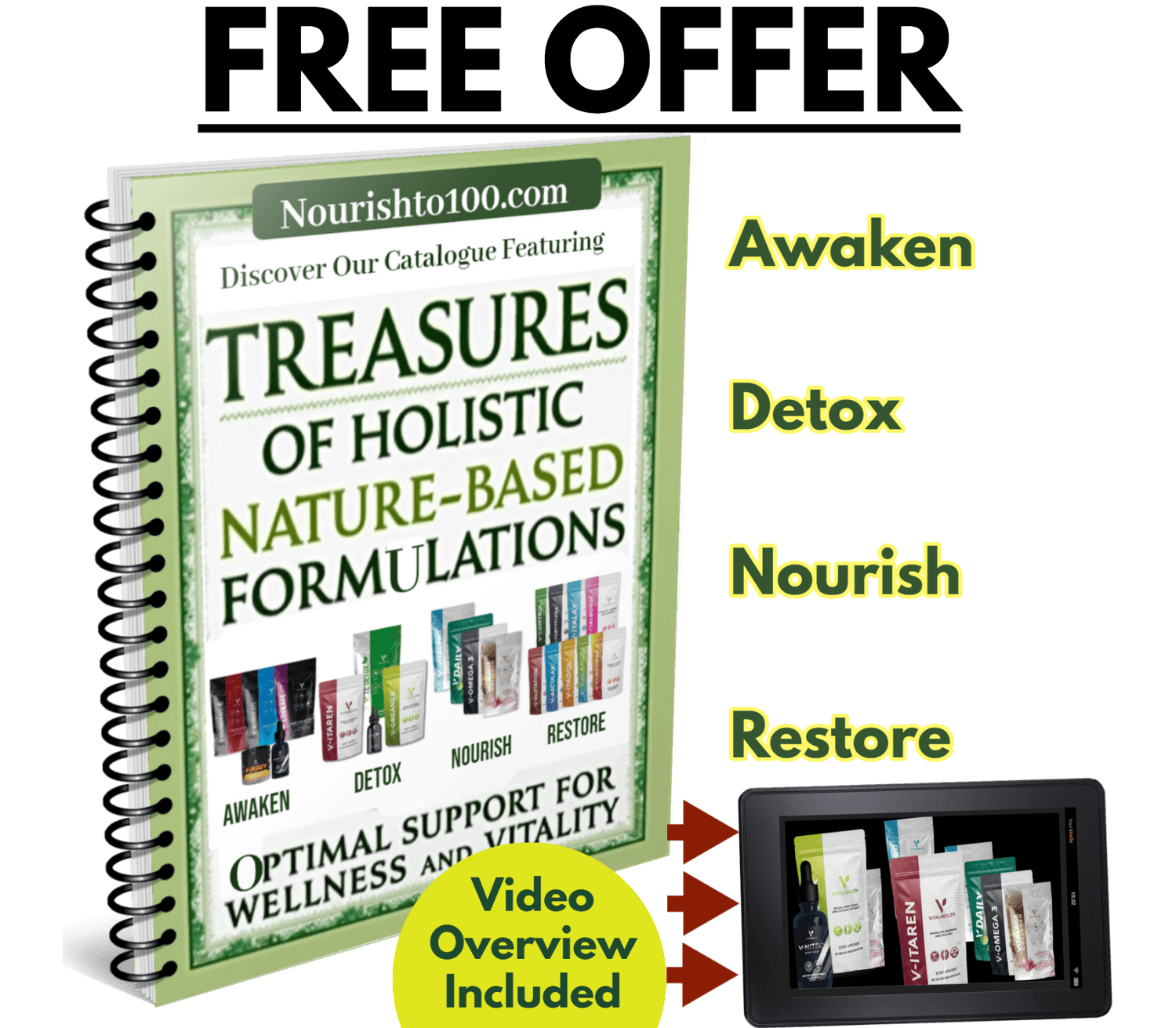
Subscribe To Get Catalogue with video overview 100% FREE.
Subscribe and get our Catalogue with video overview 100% FREE.
Also get weekly updates on holistic nature-based health & wellness solutions. Enter email...