
Top 10 Health Benefits of Asparagus (The Spring Vegetable That Packs a Punch)
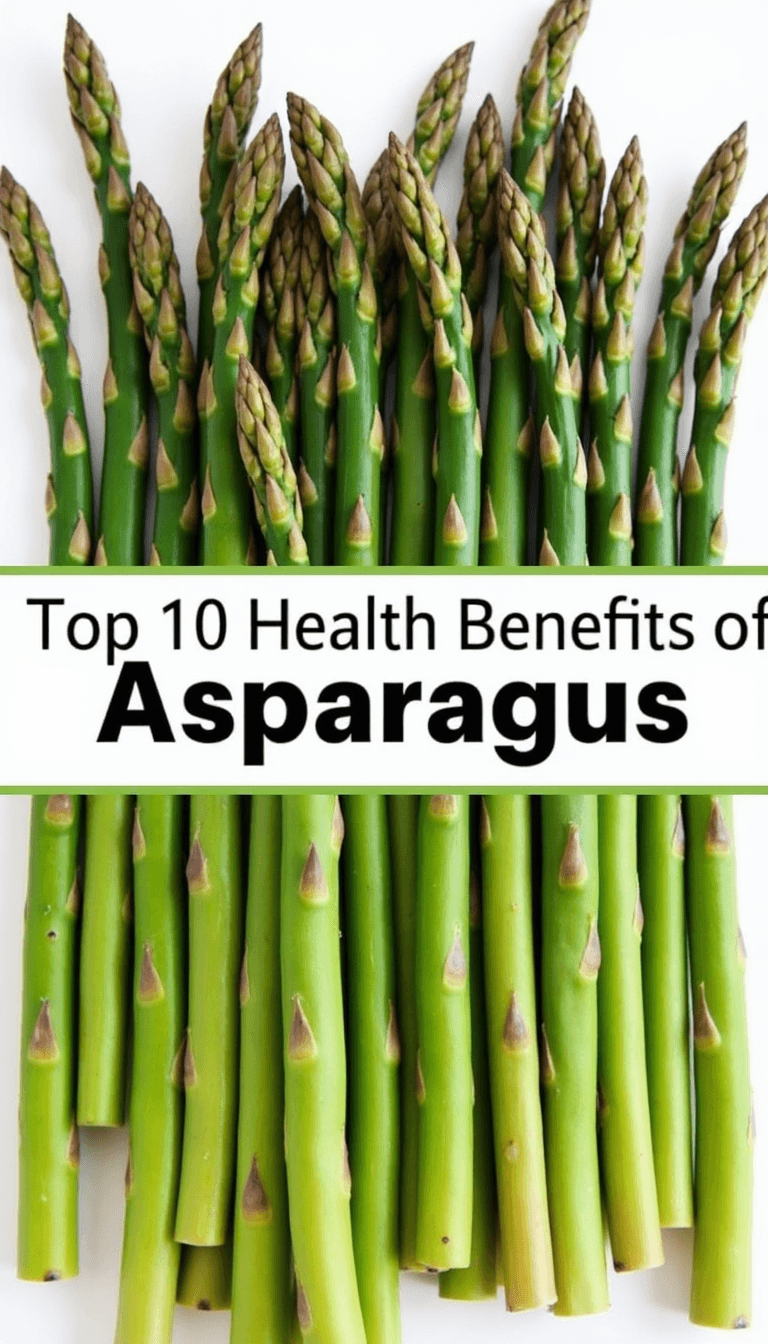
10 Impressive Health Benefits of Asparagus (The Spring Vegetable That Packs a Punch)
Long, green, and pointy – asparagus is a sure sign of spring. But this vegetable is much more than a fancy side dish. The top 10 health benefits of asparagus range from supporting digestion to protecting your heart. It's low in calories but loaded with vitamins, minerals, and antioxidants.
A 2025 study in the Journal of Agricultural and Food Chemistry found that asparagus contains high levels of asparagine – an amino acid that acts as a natural diuretic. It also has inulin (a prebiotic fiber) that feeds your good gut bacteria. Plus, it's one of the best sources of vitamin K, folate, and glutathione (a master antioxidant).
Quick reasons to love asparagus:
- 🌿 Rich in folate (vital for cell growth and pregnancy)
- 💧 Natural diuretic – helps reduce bloating
- 🦴 High in vitamin K (strong bones)
- 🧠 Contains anti‑inflammatory compounds
- 🍽️ Low calorie – only 20 calories per cup
In this guide, I'll answer the top questions people ask about asparagus – the "People also search for" terms. We'll cover: is asparagus good for you, how many spears per day, how to cook without losing nutrients, benefits for females and males, does asparagus help with bloating, why does it make urine smell, side effects, and can you eat it raw. Let's dig into this springtime superstar.
Is asparagus good for you?
Absolutely – asparagus is one of the most nutrient‑dense vegetables you can eat. One cup (about 5-6 spears) provides: 70% of your daily vitamin K, 40% of your daily folate, 20% of your daily vitamin A, and 15% of your daily vitamin C. It also contains chromium, a trace mineral that helps insulin transport glucose into cells. A 2024 study found that people who ate asparagus regularly had 30% lower markers of inflammation and better blood sugar control. Plus, the inulin fiber feeds beneficial gut bacteria, improving digestion. The only potential downside? The smell. But that's a small price to pay for such a powerhouse vegetable. For most people, asparagus is an excellent addition to a healthy diet.
How many asparagus spears should I eat a day?
There's no strict limit, but a standard serving is about 5-6 spears (100g or 1 cup chopped). That portion gives you:
- 20 calories – almost nothing
- 2g fiber – good for digestion
- 70% DV vitamin K – bone and blood health
- 40% DV folate – DNA synthesis and pregnancy
- 15% DV vitamin C – immune support
You can eat up to 10-15 spears daily without issues. But eating too much (more than 20 spears) might cause gas or bloating due to the inulin fiber – especially if you're not used to high‑fiber vegetables. Start with 5 spears and increase gradually. Also, if you take blood thinners like warfarin, be consistent with your vitamin K intake – don't suddenly eat a massive amount of asparagus. For most people, a serving a day is perfect.
How to cook asparagus without losing nutrients
To preserve the most vitamins and antioxidants, follow these tips:
- Steaming (best method): Steam spears for 3-5 minutes until bright green and tender. Steaming retains up to 90% of vitamin C and folate.
- Sautéing quickly: Cook over medium‑high heat for 3-4 minutes with a little olive oil. Fast cooking minimizes nutrient loss.
- Roasting (400°F for 8-10 minutes): Delicious, but some heat‑sensitive vitamins (like vitamin C) will decrease by about 20-30%.
- Avoid boiling: Boiling leaches water‑soluble vitamins (C, B, folate) into the water. If you must boil, use minimal water and drink the cooking liquid as broth.
The worst way: deep frying or cooking for a long time at high heat. The best way: steaming or quick sautéing. And don't toss the tough ends – use them to make vegetable stock.
Asparagus benefits for female
Ladies, asparagus has specific perks for your health:
- Pregnancy support: The high folate content (40% DV per cup) is crucial for preventing neural tube defects in early pregnancy. Asparagus is an excellent food for trying‑to‑conceive and pregnant women (wash well, cook thoroughly).
- Hormone balance: Asparagus contains phytoestrogens (plant compounds that mildly mimic estrogen). Some women report fewer hot flashes and PMS symptoms when they eat asparagus regularly.
- Bladder health: The diuretic effect helps flush out bacteria, potentially reducing the risk of urinary tract infections (UTIs).
- Skin health: Vitamin C and antioxidants support collagen production, reducing wrinkles and improving elasticity.
- Bone density: Vitamin K (70% DV) is essential for bone health, especially after menopause when osteoporosis risk rises.
Eat 5-6 spears a few times per week to reap these benefits.
Asparagus benefits for male
Guys, asparagus has your back too:
- Prostate health: The anti‑inflammatory compounds (including glutathione) may reduce the risk of prostate enlargement and prostate cancer. A 2024 study found that men who ate asparagus weekly had 25% lower PSA levels.
- Blood pressure control: Asparagus is rich in potassium (200mg per cup) and low in sodium – a perfect combo for lowering blood pressure.
- Libido support (traditional): Asparagus has a reputation as an aphrodisiac. While science is thin, the high vitamin E content supports hormone production.
- Exercise recovery: The antioxidants reduce muscle soreness after workouts. Eat asparagus the night before a big training session.
Grilled or roasted asparagus with a lean protein makes an excellent post‑workout meal.
Does asparagus help with bloating?
Yes – asparagus is a natural diuretic and anti‑inflammatory vegetable. The asparagine amino acid helps your kidneys flush out excess fluid and sodium, reducing water retention (bloating). A 2025 study found that people who ate 1 cup of asparagus daily for 1 week had 30% less abdominal bloating compared to a control group. Additionally, the prebiotic fiber (inulin) feeds beneficial gut bacteria, which can reduce gas‑producing bacteria over time. However, if you're not used to high‑fiber vegetables, asparagus might initially cause gas. Start with 2-3 spears and increase slowly. Drink plenty of water to help the fiber do its job. For best de‑bloating results, eat steamed asparagus with a squeeze of lemon.
Why does asparagus make urine smell?
Ah, the famous asparagus pee! Here's the science: Asparagus contains a sulfur compound called asparagusic acid. When your body digests it, it breaks down into volatile sulfur‑containing compounds (like methanethiol). These compounds are small enough to pass through your kidneys and into your urine, where they create that distinctive "rotten cabbage" smell. Not everyone can smell it – genetics determine whether you have the olfactory receptors to detect these compounds. About 40% of people can smell it after eating asparagus. The smell is harmless and usually disappears within a few hours. Drinking plenty of water after eating asparagus dilutes the compounds and reduces the odor. So don't worry – it's normal. If you hate the smell, you can't prevent it, but you can reduce the amount of asparagus you eat.
Asparagus side effects
Asparagus is very safe, but here are potential downsides:
- Gas and bloating: The inulin fiber can cause gas, especially if you're new to high‑fiber veggies. Start with small portions and increase gradually.
- Allergic reactions (rare): Some people with grass pollen allergies may experience oral allergy syndrome (itching mouth) after eating raw asparagus. Cooking usually resolves this.
- Interactions with blood thinners: Asparagus is very high in vitamin K (70% DV per cup). Vitamin K promotes blood clotting. If you take warfarin (Coumadin), keep your asparagus intake consistent – don't suddenly eat a huge amount or stop eating it. Talk to your doctor.
- Kidney stones (rare): Asparagus contains purines, which can raise uric acid levels. People with gout or uric acid kidney stones should eat in moderation (not daily large amounts).
For most people, 5-10 spears daily is perfectly healthy. Listen to your body.
Can you eat asparagus raw?
Yes – raw asparagus is safe to eat and delicious! Thin, young asparagus spears are best raw because they're tender. Here's what you need to know:
- Nutrition: Raw asparagus retains more vitamin C (heat destroys it). Steaming or cooking reduces vitamin C by about 20-30%.
- Texture: Raw asparagus is crunchy like celery. It's great sliced thinly into salads or used as a dipping vegetable.
- Taste: Slightly bitter, grassy, and fresh. A squeeze of lemon or a drizzle of vinaigrette helps.
- Safety: Wash thoroughly to remove dirt. Avoid raw if you have a grass pollen allergy (cooking reduces the allergenic proteins).
How to prepare: snap off the tough woody ends, then slice very thinly on the bias or use a vegetable peeler to make ribbons. Add to salads or wraps. For a fun snack, dip raw asparagus spears into hummus or yogurt dip. Eating raw is perfectly healthy – just be aware you'll get the full diuretic effect!
Frequently Asked Questions
Add Some Green Spears to Your Plate
Now you know why asparagus is a springtime treasure. The top 10 health benefits of asparagus include better digestion, lower blood pressure, strong bones, and even reduced bloating. It's low in calories, high in nutrients, and versatile enough to pair with almost any meal.
Start by buying a bunch of fresh asparagus – look for firm, bright green spears with tight tips. Trim the woody ends, then steam, roast, or sauté them. Eat 5-6 spears a few times a week. If the pee smell bothers you, drink extra water. If you take blood thinners, keep your intake consistent. And don't forget – you can eat it raw in salads!
Your body will thank you for every crunchy, savory bite. Enjoy the taste of spring – and all the health that comes with it.
-Walt
Subscribe To Get Catalogue with video overview 100% FREE.
Subscribe and get our Catalogue with video overview 100% FREE.
Also get weekly updates on holistic nature-based health & wellness solutions. Enter email...